Why Spreadsheets Fail at Mortgage Portfolio Management
Spreadsheets work… until they don’t. As mortgage portfolios grow, Excel files become fragile, outdated, and risky. Here’s why relying on spreadsheets to manage mortgage risk is no longer sustainable.

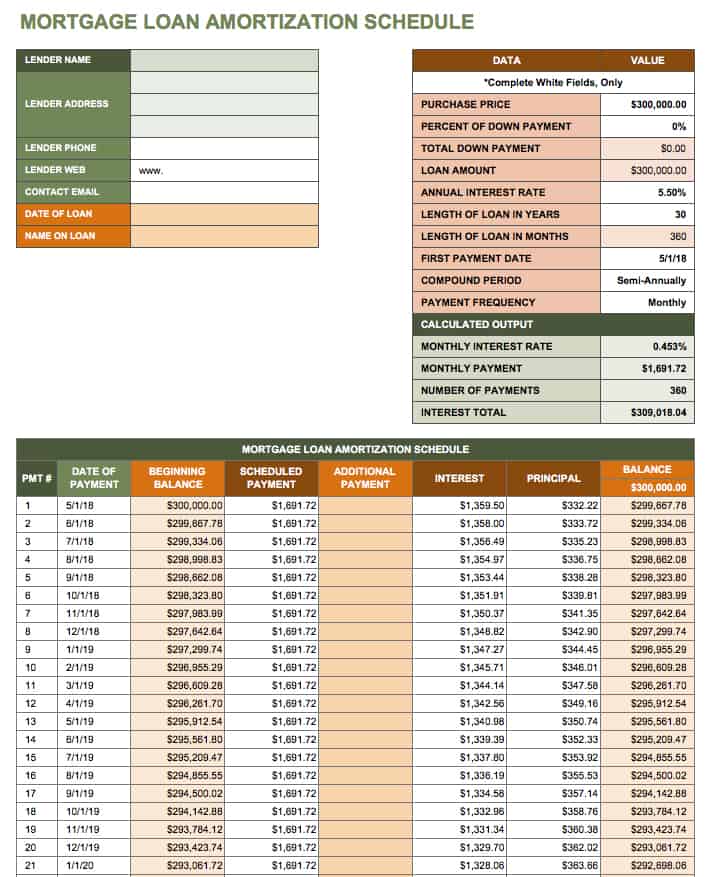
Spreadsheets were never meant to run a mortgage portfolio.
Yet across Canada, billions of dollars in mortgages are still tracked in Excel files that were built years ago, copied a hundred times, and patched together by different people with different assumptions. It works… until it doesn’t.
When portfolios get bigger, risk gets more complex, and markets move faster, spreadsheets quietly become a liability.
Here’s why.
1. They Break the Moment Things Scale
A spreadsheet feels fine when you’re tracking 10 loans.
At 100 loans, it’s fragile.
At 1,000+ loans, it’s dangerous.
Formulas start referencing the wrong cells. Someone pastes values instead of formulas. Another version gets emailed around. Suddenly, no one knows which file is the “real” one.
Mortgage portfolios don’t fail loudly in spreadsheets they drift into inaccuracy.
2. No Real-Time Risk Visibility
Spreadsheets are static. Mortgage risk is not.
Defaults, late payments, prepayments, and concentration risk change constantly. By the time a spreadsheet is updated:
- The data is already stale
- Decisions are based on last month’s reality
- Early warning signs are missed
You don’t see risk building you only notice it after the damage is done.
3. Manual Updates Create Hidden Errors
Every spreadsheet-based workflow depends on humans doing things perfectly:
- Copying data from lenders
- Updating balances
- Adjusting assumptions
- Maintaining formulas
One small mistake can ripple through an entire portfolio model. And the worst part? These errors often look reasonable, so they go unnoticed.
This is how portfolios get mispriced without anyone realizing it.
4. Zero Auditability, Zero Trust
Ask a simple question:
“Where did this number come from?”
In a spreadsheet, the answer is usually:
- “I think it came from another sheet”
- “Someone updated it last quarter”
- “We’ve always used that formula”
That’s not an audit trail. That’s tribal memory.
For investors, lenders, and regulators, this lack of transparency is a massive risk.
5. Spreadsheets Don’t Talk to Each Other
Mortgage data lives everywhere:
- Broker systems
- Lender reports
- Servicing platforms
- Investor models
Spreadsheets can’t connect these sources cleanly. Everything becomes manual exports, imports, and reconciliations.
The result: fragmented data and decisions made without a full picture.
The Bigger Problem (And Why It Matters)
Mortgage portfolios today are larger, faster-moving, and more complex than ever — especially in alternative and private lending.
Running them on spreadsheets is like managing a trading desk with pen and paper. You might survive for a while, but eventually, the system breaks.
This is exactly why modern portfolio managers are moving toward centralized, real-time, verifiable data platforms.
Where This Is Going
Platforms like Crypsey are being built to replace spreadsheet chaos with:
- Live portfolio analytics
- Real-time risk monitoring
- Clean audit trails
- One source of truth across lenders and investors
Not because spreadsheets are “bad” but because the mortgage market has outgrown them
Final Thought
If your mortgage portfolio still lives in spreadsheets, the risk isn’t just inefficiency.
The real risk is making confident decisions based on incomplete or outdated data.
And that’s the most expensive mistake of all.
👉 Ready to move beyond spreadsheets?
Learn more at crypsey.com