Why Private Lenders Struggle With Risk Visibility

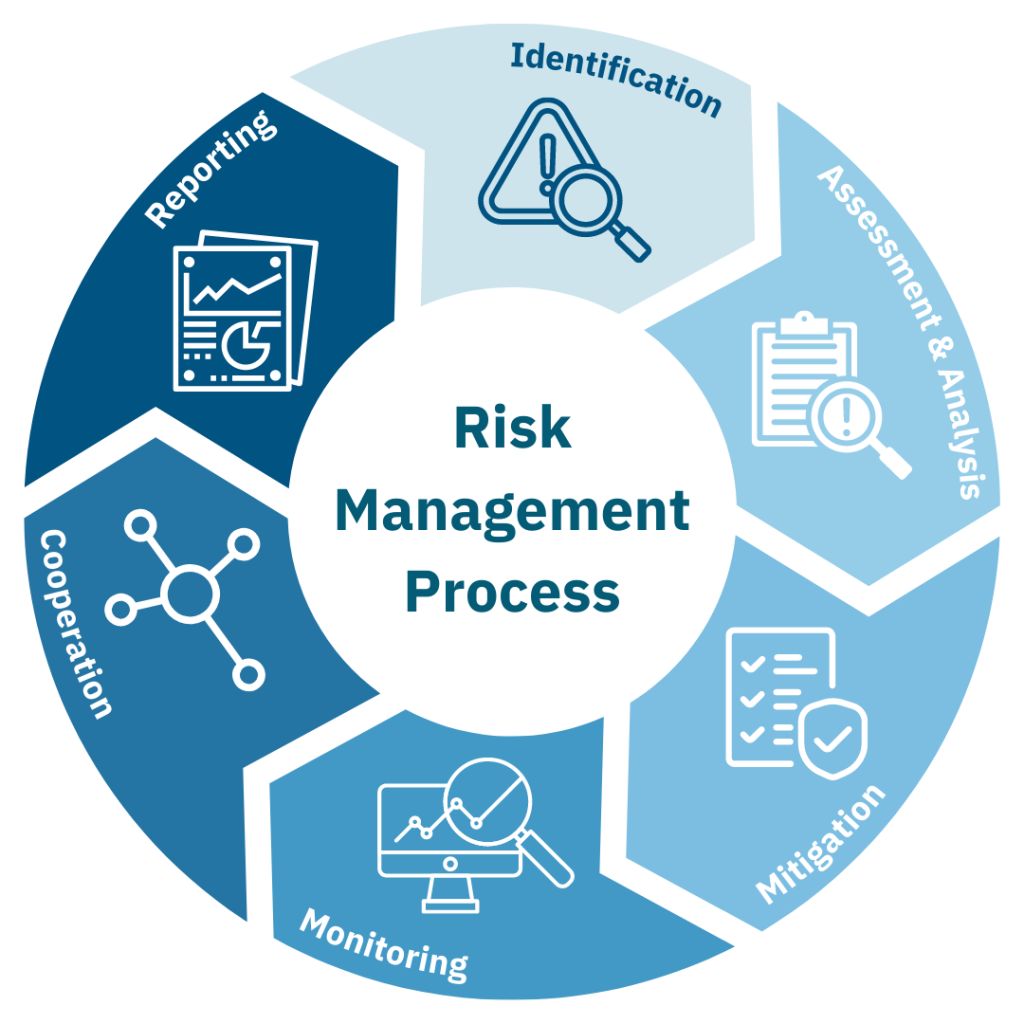
Private mortgage lenders play a critical role in the real estate market, but many struggle with risk visibility. Unlike traditional banks, private lenders often lack access to real-time mortgage data, making it difficult to accurately assess portfolio health and exposure.
Fragmented Mortgage Data Is the Core Problem
One of the biggest challenges in private lending is fragmented mortgage data. Loan performance information is scattered across brokers, servicers, spreadsheets, and manual reports. Defaults, late payments, and prepayment trends are often tracked inconsistently — if they’re tracked at all.
Without a centralized view of mortgage performance, lenders are forced to rely on outdated reports and manual processes that don’t reflect current market conditions.
No Clear Benchmarks for Portfolio Risk
Another major issue is the lack of industry-wide benchmarks. A private lender might see a 2% default rate in their portfolio, but without comparable market data, there’s no way to know if that level of risk is normal or alarming.
This absence of benchmark data leads to mispriced risk, conservative lending when opportunity exists, or excessive exposure when warning signs are already forming.
Risk Moves Faster Than Reports
Mortgage risk changes quickly. Interest rate shifts, borrower behavior, and regional housing trends can evolve in weeks. However, many private lenders still rely on monthly or quarterly reports, which arrive long after risk patterns have changed.
By the time issues surface, capital is already exposed and corrective action becomes costly.
The Cost of Poor Risk Visibility
When private lenders lack clear risk analytics:
- Capital allocation becomes inefficient
- Portfolio stress goes unnoticed
- Defaults increase without early warning
- Growth decisions rely on intuition instead of data
Why Risk Visibility Matters More Than Ever
In today’s market, real-time mortgage analytics, standardized data, and transparent risk indicators are no longer optional. Lenders who can see risk early can price loans better, protect investor capital, and scale with confidence.
Risk will always exist in private lending but visibility turns risk from a guess into a strategy.